


You finally decide to book a massage, ready to relax…and then the menu hits you. Classic, deep tissue, sports, prenatal. Which type of massage are you actually supposed to choose?
The good news? Finding the best massage for you doesn’t have to be complicated. Different types of massage use different techniques, pressure levels, and areas of focus, so the right choice really comes down to what your body needs that day.
At The Spa at Lake Nona Performance Club (LNPC), massage experiences can be customized around your preferences and areas of focus.
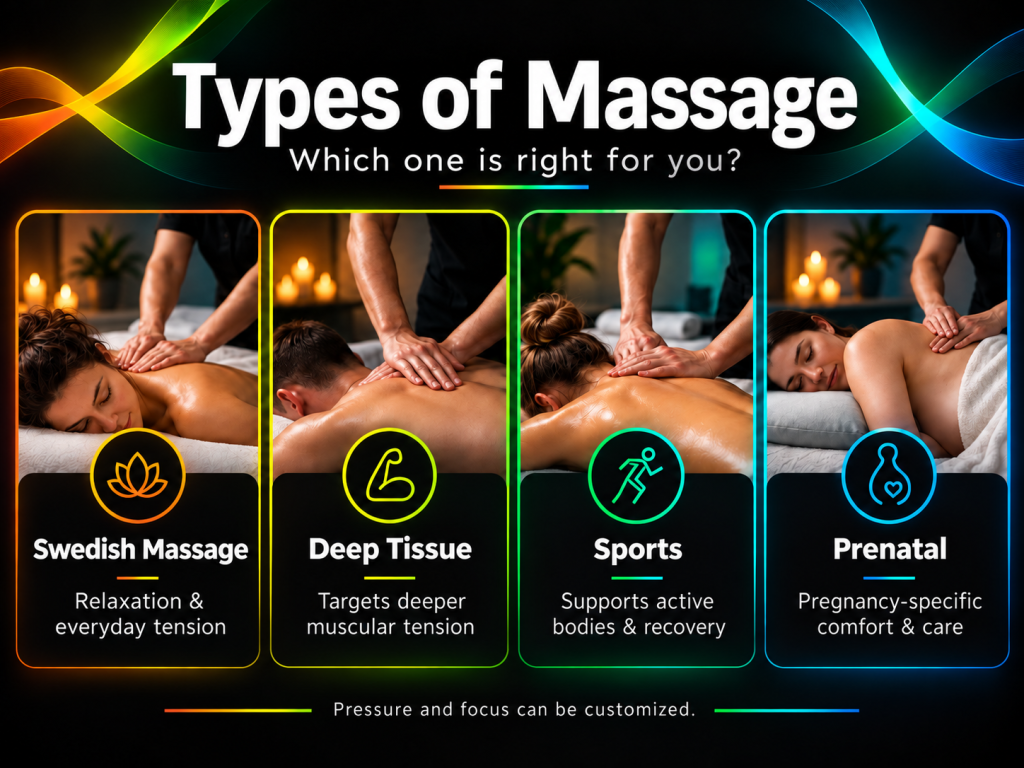
Below, we’ll break down four popular types of massage, including Swedish, deep tissue, sports, and prenatal, to help you walk into your next appointment knowing exactly what to ask for.
Key Takeaways
- Different types of massage serve different goals. Swedish massage is for general relaxation, while deep tissue focuses on deeper muscular tension.
- Sports massage is designed for active bodies. It can support recovery and flexibility while providing focused attention to areas affected by repetitive training or exercise.
- Prenatal massage is adapted for pregnancy. It uses pregnancy-appropriate positioning, pressure, and techniques for comfort.
- The best massage for you depends on what you need that day. Your goals, preferred pressure level, activity level, and health history should all guide your choice.
What Can Massage Therapy Do?
Massage therapy involves hands-on manipulation of muscles and other soft tissues using different movements and levels of pressure.
And while a massage can certainly feel like a luxury, there’s more to it than an hour of quiet time.
According to the National Center for Complementary and Integrative Health, research suggests massage therapy may provide short-term benefits for certain types of pain, although the strength of evidence varies depending on the condition. Mayo Clinic also notes that massage may help ease muscle tension, stiffness, and stress while supporting relaxation.
In other words, massage can have a place in a broader wellness routine, but there isn’t one magical massage that’s right for everybody.
The pressure, techniques, and goals of your session can change dramatically depending on the type you choose.
Quick Guide: Which Type of Massage Should I Choose?
Not sure where to start? Here’s the cheat sheet:
| If you’re looking for… | Consider… |
|---|---|
| General relaxation and everyday tension relief | Swedish Massage |
| More focused work on deeper muscular tension | Deep Tissue Massage |
| Support for an active training and recovery routine | Sports Massage |
| Pregnancy-specific comfort and positioning | Prenatal Massage |
Think of this as your starting point, not a rigid rulebook.
A licensed massage therapist can help adjust the pressure and focus of your session based on your goals, comfort level, and health history.
Types of Massage
From relaxation to recovery, these massage options are designed to match different goals and preferences. Here’s a breakdown of the main types of massages spas offer.
1. Swedish Massage: The Relax-and-Unwind Option
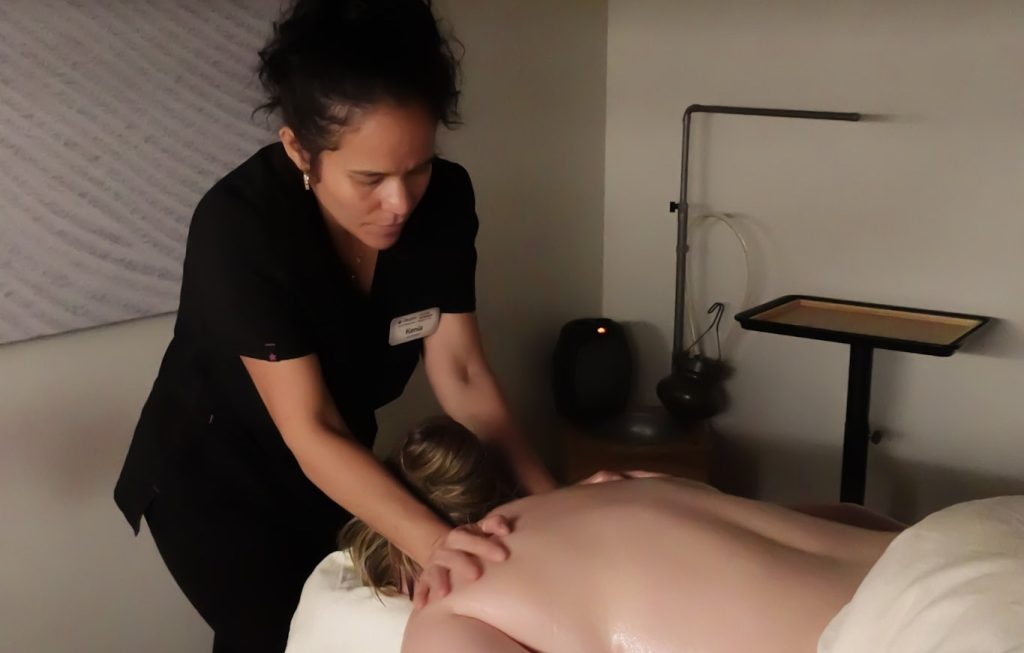
If your main goal is to simply slow down, relax, and give your body a break, Swedish massage is an easy place to start.
Swedish massage generally uses longer, flowing strokes and light to moderate pressure and is commonly chosen for a relaxing full-body experience. It’s one of the most familiar types of massage and can be especially approachable if you’re new to massage therapy.
Is a Swedish Massage Right for You?
A Swedish massage is good if you have been feeling generally tense but don’t have one specific problem area demanding attention.
Consider Swedish massage if you:
- Want a relaxing full-body massage
- Prefer lighter or moderate pressure
- Have general everyday muscle tension
- Are new to massage therapy
In other words: you don’t need a specific problem area to book one.
If you’re searching for the best massage for you simply because you want to unwind, Swedish massage is a strong starting point.
2. Deep Tissue Massage: When You Want More Focused Pressure
Sometimes, “light and relaxing” isn’t what your body is asking for. If you have areas of persistent muscular tension or simply prefer firmer pressure, deep tissue massage may be a better fit.
Deep Tissue Massage uses slow, intentional techniques and moderate-to-firm pressure to target deeper muscular tension. Your therapist can customize the areas of focus according to your needs and comfort level.
Deep Tissue Doesn’t Mean “As Hard as Possible”
This is important. A good deep tissue massage isn’t a contest to see how much pressure you can tolerate. Cleveland Clinic notes that therapeutic massage may feel deeper than relaxation massage, but communication with your therapist is important if pressure becomes uncomfortable.
More pressure isn’t automatically better. Your therapist should be able to adjust the session based on what feels appropriate for you, and you should always speak up if something feels too intense.
Is Deep Tissue Massage Right for You?
Deep tissue massage may be a better fit when you want firmer pressure and more focused attention on specific areas of muscular tension.
Consider this option if you’re looking for:
- Firmer pressure than you’d typically choose during a classic massage
- Focused attention on areas of muscular tension
- A massage that spends more time working on specific problem spots
- A customized session based on where you’re feeling tight
If you’re unsure whether you actually need deep tissue, tell your therapist what’s bothering you instead of choosing solely based on the name. They can help determine an appropriate approach and pressure level.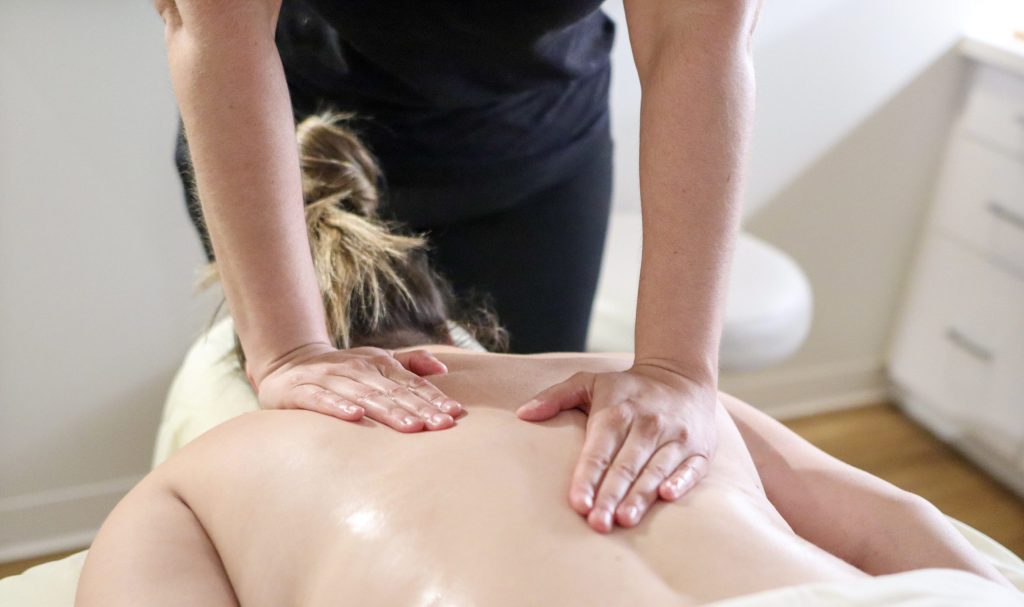
3. Sports Massage: Built With Active Bodies in Mind
You don’t have to be a professional athlete to book a sports massage. If you’re running, cycling, lifting, playing pickleball, training for an event, or simply staying active several days a week, your body is repeatedly working through the same movement patterns.
That’s where sports massage enters the conversation. Sports Massage uses focused massage techniques and customized pressure to support muscle recovery and mobility for active guests, whether you’re looking for regular maintenance or attention on areas of overuse.
Is Sports Massage Only for Athletes?
Nope. “Sports massage” describes the goal and approach more than the person on the table.
Someone training for a marathon may want their therapist to focus heavily on the legs. A golfer might be more interested in areas involved in rotational movement, while a regular gym-goer may want extra attention on muscles that feel taxed after training.
The session can be shaped around what you do.
What Does the Research Say About Sports Massage?
Here’s an important distinction: sports massage shouldn’t be marketed as a shortcut to suddenly running faster, lifting heavier, or becoming a better athlete.
A systematic review and meta-analysis published in BMJ Open Sport & Exercise Medicine evaluated 29 studies involving more than 1,000 participants. Researchers found no evidence of an overall improvement in strength, sprint, jump, or endurance performance, but did find small improvements in flexibility and delayed-onset muscle soreness (DOMS).
That’s a much more useful way to think about it. Sports massage can be one piece of your broader recovery routine, not a replacement for smart programming, adequate rest, hydration, or appropriate medical care.
If training is a major part of your lifestyle, you can also explore personal training at LNPC to build a more individualized approach to your fitness routine.
4. Prenatal Massage: Comfort Designed for Pregnancy
Pregnancy changes a lot, including how your body feels from one week to the next. Prenatal massage adapts the massage experience to those changes through pregnancy-specific positioning, pressure, and techniques.
At The Spa at LNPC, Prenatal Massage is a 60-minute massage available to guests who are at least 12 weeks pregnant. Positioning and pressure are adjusted with relaxation and comfort in mind.
How Is Prenatal Massage Different?
One of the biggest differences is positioning. Cleveland Clinic’s guide to prenatal massage explains that prenatal massage commonly uses side-lying positioning and lighter pressure to keep the experience comfortable and pregnancy-appropriate.
That means prenatal massage isn’t simply a standard massage with a different name. It’s an experience adapted around the physical changes of pregnancy.
Is a Prenatal Massage Right for You?
A prenatal massage is perfect if you’re at least 12 weeks pregnant and want a massage designed specifically around pregnancy-related comfort.
Prenatal massage may be used to help address common discomforts such as muscle aches while offering an opportunity to relax. The American Pregnancy Association also recommends discussing massage with your prenatal healthcare provider and choosing a therapist appropriately trained to work with pregnant clients.
One important note: Every pregnancy is different. Talk with your healthcare provider before booking if you have pregnancy complications, a high-risk pregnancy, or questions about whether massage is appropriate for you.
Bonus: Couples Massage: Share the Experience
Sometimes the best massage isn’t just about the technique; it’s about who you’re enjoying the experience with.
A couples massage allows two people to receive massages at the same time, typically in the same room with separate massage therapists. It can be a great option for couples, friends, or family members who want to relax and enjoy some downtime together.
Depending on availability and spa offerings, each person may be able to customize their pressure and areas of focus based on their own preferences. One person may want a relaxing classic massage while the other prefers firmer, more targeted work.
A Couples Massage May Be Right for You If
- You want to turn massage into a shared experience
- You’re celebrating a birthday, anniversary, or special occasion
- You want to change up date night
- You want a relaxing activity to enjoy with a partner or friend
- You like the idea of unwinding together while still receiving an individualized massage
At The Spa at LNPC, couples massage can be a fun way to combine relaxation, connection, and a little well-deserved self-care.
Think of it as the bonus option when you don’t want to choose between quality time and me-time.
Swedish vs. Deep Tissue vs. Sports Massage: What’s the Difference?
These four types of massage can sound similar because they all involve working with muscles and soft tissues. The biggest difference is why you’re booking the massage and where you want the therapist to focus.
Swedish massage is generally the most relaxation-focused option. Deep tissue uses slower techniques and firmer pressure for deeper muscular tension, while sports massage is customized around the demands of an active lifestyle and areas of overuse.
Still torn between two? Don’t stress about picking the “perfect” label. Your massage therapist can customize pressure and focus based on your goals.
How Do I Find the Best Type of Massage for Me?
Ask yourself one simple question: “What do I want to feel or address when I leave?”
If your answer is ‘I just want to unwind,’ consider Swedish massage.
If you’re thinking, “I really want focused work on this stubborn muscular tension,” deep tissue may make more sense.
Training hard lately? Explore sports massage.
Pregnant and looking for an appropriately adapted experience? Prenatal massage is specifically designed for that stage.
And if your answer is simply, “I don’t know, my whole body feels tight,” that’s okay too.
A trained massage therapist can talk through your preferences before the session and help customize the experience.
How Much Pressure Should I Ask For?
Here’s a myth worth retiring: a massage has to hurt to “work.” Mayo Clinic advises that massage shouldn’t cause severe pain and recommends asking for lighter pressure if something feels too strong.
So don’t worry about being “tough.”
Tell your therapist what feels good, what doesn’t, and whether you’d like more or less pressure. That communication can make a huge difference in your experience.
How Often Should You Get a Massage?
There’s no universal schedule that works for everyone.
How often you book may depend on your goals, activity level, preferences, budget, and how your body responds. Someone using massage primarily as occasional self-care may schedule differently from someone incorporating sports massage into an active training routine.
Rather than chasing an arbitrary number, think about massage as one tool within your broader wellness routine.
LNPC members can also combine their fitness routine with the club’s broader programs and wellness services, giving them options for training, recovery, and relaxation in one place.
When Should You Talk to Your Doctor Before Getting a Massage?
Massage is generally considered safe when performed appropriately by a trained professional, but it isn’t right for every situation. According to Mayo Clinic, you should speak with your healthcare team before getting a massage if you have certain health concerns, including bleeding disorders, blood clots, severe osteoporosis, a recent heart attack, burns, or broken bones.
You should also tell your massage therapist about relevant health conditions, injuries, medications, and pregnancy before your session. When in doubt, ask your healthcare provider first.
Get The Me-Time You Deserve
So, what’s the best massage for you? The answer isn’t necessarily the deepest, trendiest, or most intense option. It’s the massage that fits what your body, lifestyle, and comfort level need right now.
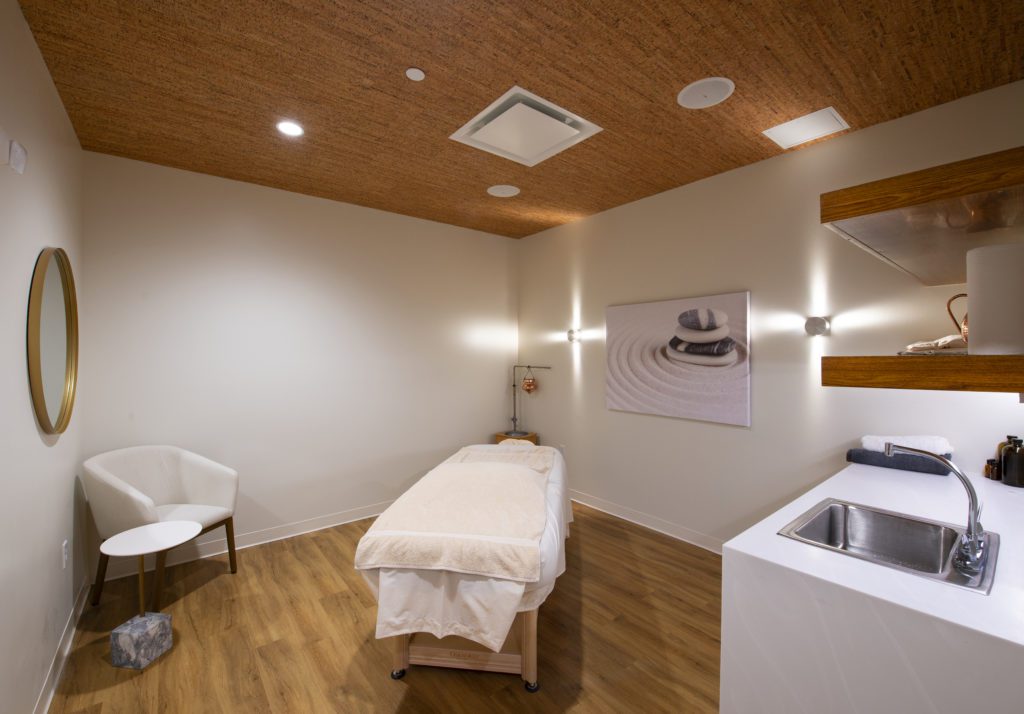
If you’re looking for massage therapy in Orlando, The Spa at Lake Nona Performance Club offers Swedish, deep tissue, sports, and prenatal massage options delivered by licensed massage therapists, with sessions customized around your preferred pressure and areas of focus.
Plus, all spa guests get access to our amenities before and after your appointment, including our Red Light Therapy treatment, Himalayan Salt Sauna, Steam Room, bubbling whirlpool, and a locker with plush robes and slippers.
Explore The Spa at LNPC to view massage options, amenities, and current pricing, or call 407-216-5672 to choose the massage that fits your needs and book your next appointment.


